Circular Economy Zone
The planned 150-acre zone brings collection, sorting, processing and manufacturing together. PET and metal recycling would anchor the site, with factory space and shared utilities for other tenants.


Petronia City Development
The group’s planned 2,000-acre industrial hub at Takoradi brings production, energy, technology, and logistics into one masterplan.
Watch the industrial filmAcres in the industrial masterplan
Planned industrial projects
Western Region, Ghana
Petronia City Development
A planned 2,000-acre industrial hub at Takoradi.
Petronia brings manufacturing, energy, digital infrastructure, and cargo logistics into one development plan. Six proposed projects connect production with the power, storage, and transport it needs.
Land is secured for the industrial hub, with site infrastructure progressing. The manufacturing facilities shown here are development concepts.
Watch the industrial film Explore Petronia CityPetronia City programme
The sequence below is indicative and is not a confirmed construction timetable. All facilities shown are proposed unless stated otherwise.
Phase 1 brings the manufacturing and logistics anchors into the prepared Petronia site. The presentation identifies the Industrial Park as Phase 1; the project grouping below describes how the facilities work together.
The planned 150-acre zone brings collection, sorting, processing and manufacturing together. PET and metal recycling would anchor the site, with factory space and shared utilities for other tenants.
A proposed gas-to-methanol facility with a nameplate capacity of 300,000 metric tonnes a year. Its output would supply chemical feedstock for regional manufacturing and reduce reliance on imported methanol.
A proposed five-line food-processing campus in the Free Zone. Shared quality assurance, cold-chain storage and logistics would connect Ghanaian agricultural inputs to market-ready products.
A proposed cargo terminal and charter operation on a 100-acre site. The plan includes a runway, four-stand apron, cold and dry warehousing, and freight connections serving Western Region industry.
The next programme group adds digital infrastructure and minerals processing. AetherNexus itself is modelled in two capacity stages: an initial 20MW IT load followed by a further 15MW.
A proposed 35MW data centre for cloud and computing services, designed in two IT-load stages of 20MW and 15MW. The campus model includes a dedicated 38MW waste-to-energy plant as its primary power source.
A proposed single-site minerals platform combining gold trading, toll refining for third-party miners and a lithium value-add desk. The aim is to process more material locally and retain more value in Ghana.
The presentation also sketches longer-range concepts under AetherNexus. These remain vision projects beyond the six-project pipeline.
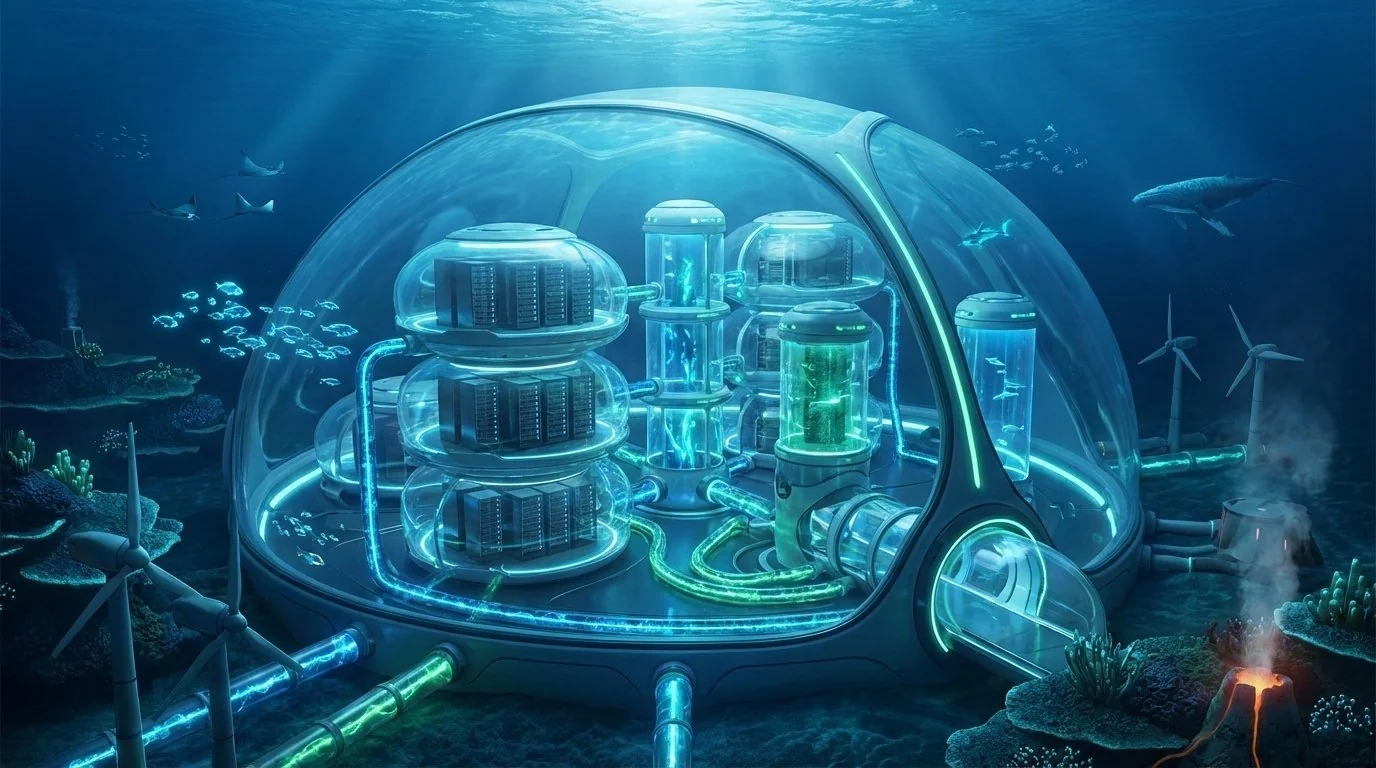
Exploration of coastal cooling and wave energy for future data infrastructure.
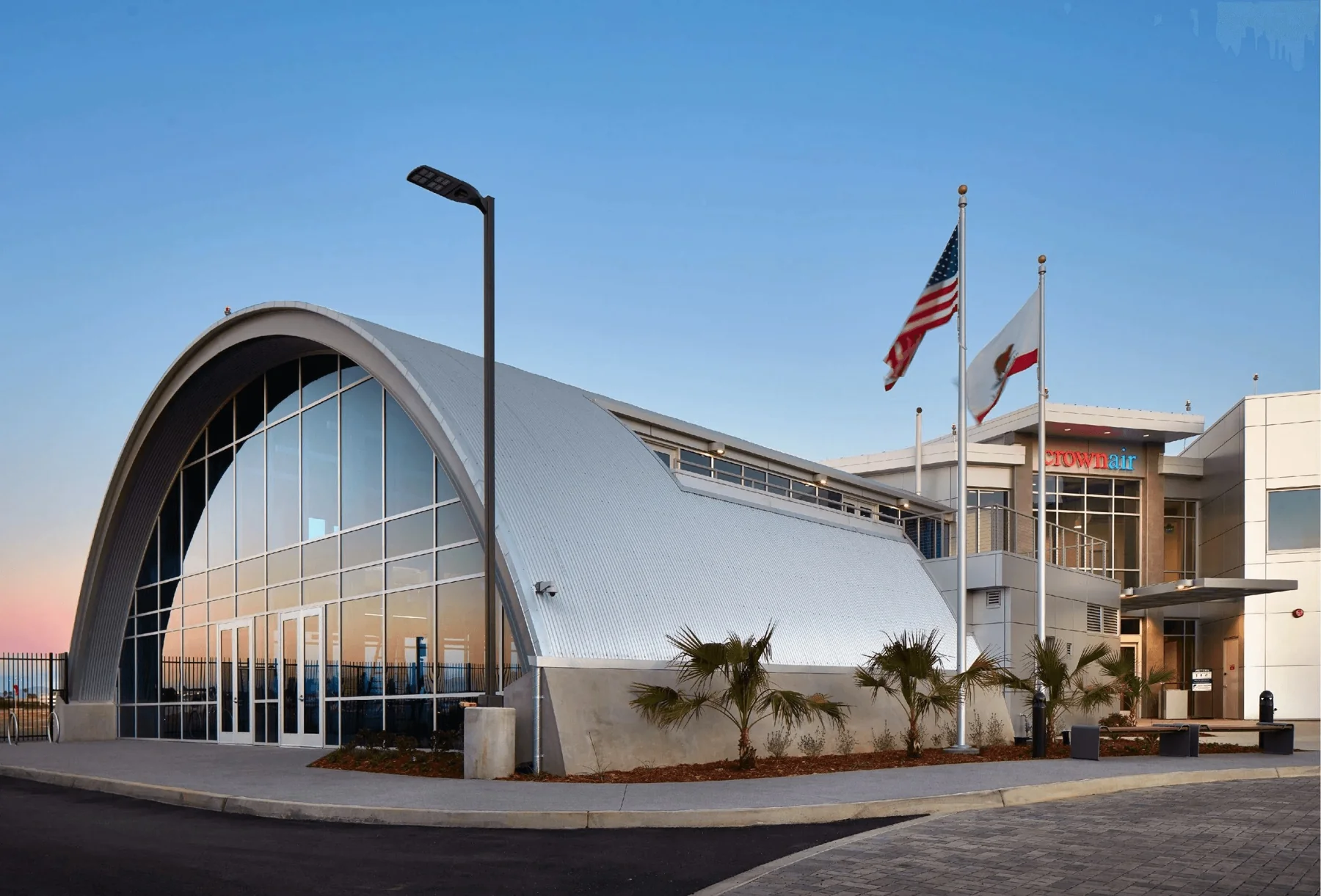
A future training campus focused on aviation and aerospace engineering.

An immersive STEM and space travel simulation concept.
Energy & infrastructure
The wider Energy City vision includes solar, wind, biofuel, energy storage, and a smart electricity network.
Solar generation is part of the planned energy mix.
The wider plan includes wind power alongside other energy sources.
The AetherNexus plan includes a dedicated waste-to-energy facility.
Delivery foundations
The foundations supporting Petronia’s industrial development programme.
A 2,000-acre land bank supports the development plan, with areas prepared and allocated for initial projects.
Free Zones, Special Economic Zone, and environmental approvals support the industrial development programme.
Bridges and dual carriage roads are recorded alongside ongoing access-road, drainage, and utility works.
Manufacturing, digital infrastructure, cargo, and energy developments form the proposed industrial programme.
Corporate enquiries
For development partnerships, project enquiries, and current information about Petronia City.